Antibody-drug conjugates (ADCs) have emerged as one of the fastest-growing classes of biotherapeutics, combining the targeting specificity of monoclonal antibodies with the potency of cytotoxic payloads. However, this unique architecture also introduces significant analytical complexity. From drug-to-antibody ratio (DAR) distributions and charge variants to conjugation sites and structural modifications, ADCs present multiple, interconnected sources of heterogeneity that must be understood to ensure product quality and performance.
Tags

ADC analytics FAQs: Answering the most common questions about ADC characterization
Antibody-drug conjugates (ADCs) have emerged as one of the fastest-growing classes of biotherapeutics, combining the targeting specificity of monoclonal antibodies with the potency of cytotoxic payloads. However, this unique architecture also introduces significant analytical complexity. From drug-to-antibody ratio (DAR) distributions and charge variants to conjugation sites and structural modifications, ADCs present multiple, interconnected sources of heterogeneity that must be understood to ensure product quality and performance.

An overview: LC-MS analysis of targeted protein degraders and their metabolites
Targeted protein degraders (TPD) are a relatively new therapeutic modality that opens the potential to target disease-causing proteins. These disease-causing proteins have been highly challenging for traditional small-molecule therapeutics to treat, making TPDs an exciting new therapeutic modality.
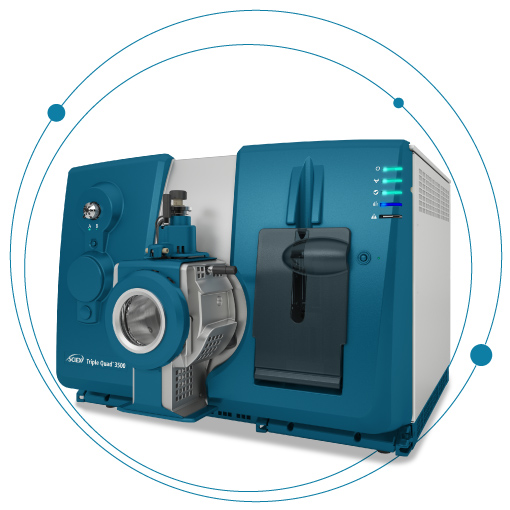
Back to the new basics: Part 1 | Making the leap from GC-MS to LC-MS
Producing accurate results quickly in a demanding environment is no easy feat for analytical scientists. What’s more, many of us are constantly questioning ourselves—I certainly am—about whether we are employing the best technique for the analysis at hand.
It’s an overwhelming thought, considering the wide range of tools that are available to choose from, each of which offers varying levels of capacity, sensitivity, selectivity, specificity and cost. How do you meet the unique needs of your organization without breaking the bank? I get it, and I’m not here to convince you it’s easy. My aim is to guide you through the process to help you make the right decision for you.
No Results Found
The page you requested could not be found. Try refining your search, or use the navigation above to locate the post.
No Results Found
The page you requested could not be found. Try refining your search, or use the navigation above to locate the post.