
GEN-MKT-18-7897-A
Feb 17, 2016 | Blogs, Environmental / Industrial, Food / Beverage | 0 comments
Between 3-6 November 2015, the Recent Advances in Food Analysis (RAFA) 2015 Symposium took place in Prague, Czech Republic.
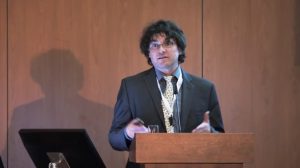
With over 800 scientists in attendance, visitors were treated to 132 lectures, 15 seminars, 6 workshops and over 500 posters presenting the latest in food testing methodology. Amongst the hive of activity was our very own Andre Schreiber, presenting on ways to ignite your routine testing methods with new and existing technology.
If you were unable to attend RAFA 2015 or would like to see Andre’s talk again you can watch the full 45-minute seminar below.
Be sure to leave a comment below as Andre will be able to respond to any questions or feedback, and if you’d like to read more about the talk you can download the full Igniting Your Routine Testing Methods Presentation.Download the Full Presentation >

Regulated laboratories are evolving faster than ever. New analytical modalities, higher sample throughput, increasing regulatory scrutiny, and leaner teams are reshaping how work gets done. At the same time, expectations for data integrity, standardization, and operational efficiency continue to increase complexity and/or scope. In this environment, LC-MS software is no longer simply an instrument control platform—it has become a critical part of a laboratory’s quality management system. The question is no longer whether your lab has changed, but whether your software has evolved to support the way regulated labs operate today, and if they are ready and able to meet the demands, they will face tomorrow.
Analyst software has long been a trusted foundation in regulated LC-MS laboratories—and for many, it still performs reliably today. But regulated environments are evolving faster than ever. As labs transition to Windows 11, strengthen cybersecurity policies, modernize IT infrastructure, and prepare for future compliance expectations, software decisions are no longer just about what works today—they’re about managing tomorrow’s risk. Analyst will not be supported on Windows 11. While some labs may continue operating in unsupported environments temporarily, the bigger question is: when that risk becomes reality, will your lab be reacting under pressure—or executing a planned mitigation strategy with confidence?
As regulatory scrutiny increases and detection requirements tighten, laboratories are facing a new question: How can TFA be measured reliably, sensitively, and at scale?
Posted by
You must be logged in to post a comment.
Share this post with your network