

 In this study, the Wisconsin State Laboratory of Hygiene (WSLH) outlines the comparison of their existing technology and how SCIEX LC-MS/MS systems can assist them in their forensic research. The WSLH routinely analyze for 300 forensic drug compounds in over 18,000 samples per year.
The highly laborious workflows they used to perform this routine analysis relied upon EMIT, HPLC (with wavelength detection) GC/NPD and GC-MS. The nature of the ever-changing forensic drug testing environment means that it is difficult to identify the widely varying synthetic cannabinoids and novel psychoactive substances.
The purpose of this study was to investigate whether the adoption of QTOF technology for targeted and unknown forensic drugs screening workflows are sensitive and reliable to achieve these goals. The instrument of choice for this study was the TripleTOF® 5600+ system.
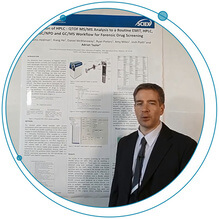
In the video below Adrian Taylor, Forensics Application Manager at SCIEX delivers an overview of the poster presentation for this study which was displayed at the annual TiAFT conference in Firenze, Italy. Download Poster >
Routine forensic drug testing has recently been given a boost with the launch of the X500R QTOF system, this system is designed specifically for routine forensic toxicology analysis. The X500R coupled with the brand new software application, SCIEX OS, delivers an all-encompassing solution for forensic drug screening. The intuitive workflows are ideally suited for the analysis of Synthetic Cannabinoids, Novel Psychoactive Substance. We have also produced a comprehensive library of compounds to assist with your analysis, this library contains over 1700 compounds with full acquired spectral data.
If your lab is using old technology, we want to hear from you. Tell us what kind of experiments you are running and what are the setbacks you have encountered?


0 Comments