Antibody-drug conjugates (ADCs) have emerged as one of the fastest-growing classes of biotherapeutics, combining the targeting specificity of monoclonal antibodies with the potency of cytotoxic payloads. However, this unique architecture also introduces significant analytical complexity. From drug-to-antibody ratio (DAR) distributions and charge variants to conjugation sites and structural modifications, ADCs present multiple, interconnected sources of heterogeneity that must be understood to ensure product quality and performance.
Tags

ADC analytics FAQs: Answering the most common questions about ADC characterization
Antibody-drug conjugates (ADCs) have emerged as one of the fastest-growing classes of biotherapeutics, combining the targeting specificity of monoclonal antibodies with the potency of cytotoxic payloads. However, this unique architecture also introduces significant analytical complexity. From drug-to-antibody ratio (DAR) distributions and charge variants to conjugation sites and structural modifications, ADCs present multiple, interconnected sources of heterogeneity that must be understood to ensure product quality and performance.

Standard addition workflow – for quantification and calculating background levels
The method of standard addition is a quantitative analysis approach used in situations where matrix effects from complex samples contributes to the analytical signal. This makes it impossible to compare the analytical signal between sample and standard using a...
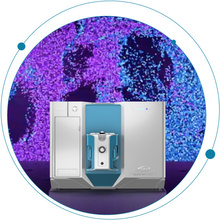
Breaking down the SCIEX 7500 system
Sensitivity and robustness carry different meanings in the world of mass spectrometry. Generally, sensitivity refers to an instrument’s ability to achieve lower limits of detection (LOD). Robustness, on the other hand, refers to an instrument’s ability to consistently...

A rising star in food allergen research: proteomics of shellfish allergen
It’s important to know what you’re eating, especially if you suffer from a food allergy.
About 220 million people worldwide live with a food allergy.1 These numbers, along with the complexity and severity of conditions, continue to rise. In America, there are about 32 million food allergy sufferers—5.6 million of those are children under the age of 18.2.2 That’s 1 out of every 13 children, or about 2 in every classroom. From a financial perspective, the cost of food allergy childcare for US families is up to $25 billion
No Results Found
The page you requested could not be found. Try refining your search, or use the navigation above to locate the post.
No Results Found
The page you requested could not be found. Try refining your search, or use the navigation above to locate the post.