

 Protein-based biotherapeutics, including monoclonal antibodies (mAbs) and antibody-drug conjugates (ADCs) are a growing component of pharmaceutical companies’ drug pipelines. The growth of ADCs in particular is due to their ability to selectivity target and deliver a potent molecule to a cancer cell based on a specific tumor marker. In order to support this growing class of new drug molecules, robust and reliable bioanalytical methods are required. While ligand binding assays (LBAs) like ELISA have been the most popular platform for biotherapeutic quantitation, bioanalytical scientists have been increasingly adopting hybrid LBA/LC-MS methods in this area.
The strengths of hybrid LC-MS assays for this application include:
- Selectivity
- Broad Linear Dynamic Range (LDR)
- The ability to multiplex a second analyte or catabolite
- The quick method development time afforded by a generic method
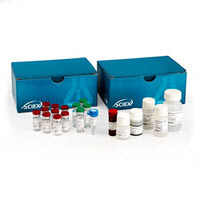
For a bioanalytical scientist inexperienced in hybrid LBA/LC-MS signature peptide quantitation, the various workflows can appear complex and difficult. BioBA sample preparation kits are designed to make this complex process simple by enabling a magnetic bead-based approach to immunoaffinity sample preparation and providing all the reagents necessary (buffers, reagents, enzyme and bead) to complete the workflow.
Most ADCs are heterogeneous mixtures of species and an example is ado-trastuzumab emtansine, a lysine-linked ADC that is an approved treatment for patients with Her2+ breast cancer. The nature of the chemistry involved in lysine conjugation makes the drug product a heterogeneous mixture of species with a drug to antibody (DAR) of 0 to 8. The heterogeneous character of ADCs like adotrastuzumab emtansine require several bioanalytical assays during the drug development process. Some of these include:
- Unconjugated payload
- Conjugated antibody (DAR 1 to 8)
- Total antibody (DAR 0 to 8)
Hybrid LBA/LC-MS assays can be used to address conjugated and total antibody assays by choosing an appropriate immunocapture reagent. An anti-payload antibody can be used to immunopurify and assay conjugated ADC species. To assay the total antibody, a generic anti-human Fc antibody can be employed for immunocapture, or a target-specific immunocapture strategy can be employed with recombinant target protein or an anti-idiotype antibody.
Download the tech note to see a full demonstration of a total antibody assay of ado-trastuzumab emtansine using hybrid LBA/LC-MS approach employing the BioBA sample preparation kit and a generic immunocapture strategy.


0 Comments