For years, metabolomics researchers have faced a frustrating reality: modern high-resolution mass spectrometers can detect tens of thousands of molecular features, yet only a fraction can be confidently identified. The challenge is no longer finding molecules. It is generating the high-quality MS/MS data needed to confidently assign structures and extract meaningful biological insights.
Tags

3 reasons ZT Scan DIA is changing the game in metabolomics
For years, metabolomics researchers have faced a frustrating reality: modern high-resolution mass spectrometers can detect tens of thousands of molecular features, yet only a fraction can be confidently identified. The challenge is no longer finding molecules. It is generating the high-quality MS/MS data needed to confidently assign structures and extract meaningful biological insights.

How are advanced analytical techniques transforming oxylipin research?
In the field of food chemistry and health, Prof. Nils Helge Schebb and his team at the University of Wuppertal are at the forefront of applying cutting-edge analytical methods to investigate how dietary components affect inflammation and chronic disease. Their work focuses on lipid mediators, particularly oxylipins, and how these molecules can be precisely measured and interpreted using liquid chromatography-tandem mass spectrometry (LC-MS).

How is EAD transforming from a niche technique into a cornerstone of daily metabolomics and lipidomics research?
With the launch of the ZenoTOF 8600 system, EAD has taken a significant leap forward in becoming a routine tool for metabolomics and lipidomics workflows. Building on the foundation laid by the ZenoTOF 7600 system, the 8600 system introduces enhanced sensitivity, function speed improvements, and multimodal capabilities that make EAD more practical and scalable for daily use. This blog explores how these advancements are transforming EAD from a specialized technique into a robust and accessible solution for high-throughput structural analysis, enabling researchers to unlock deeper insights with greater efficiency.
Enhancing omics-based mass spectrometry workflows with Electron-Activated Dissociation (EAD)
Electron-Activated Dissociation (EAD) is transforming the fields of metabolomics and lipidomics by providing enhanced fragmentation techniques that offer deeper insights into molecular structures. In September, Technology Networks hosted a webinar, “Enhancing Mass-Based Omics Analysis in Model Organisms,” featuring Dr. Valentina Calabrese from the Institute of Analytical Sciences at the University of Lyon. Valentina shared her insights on improving omics-based mass spectrometry analysis for toxicology studies using model organisms, particularly in metabolomics and lipidomics. This blog explores the additional functionalities EAD offers, its benefits in untargeted workflows, its incorporation into GNPS and molecular networking, and the future role it could play in these scientific domains.
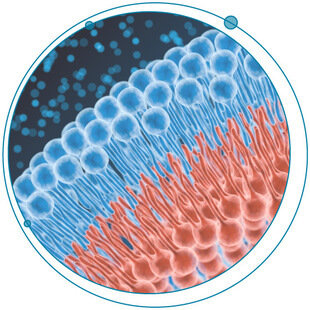
Separation anxiety: Choosing the best approach to quantify the lipidome
Front-End Solutions for Lipid AnalysisWhich method should you choose? Lipids are a diverse group of compounds that serve many purposes. They are the basis for key biological entities including cell membranes, hormones, and lipoproteins and are involved in a variety...
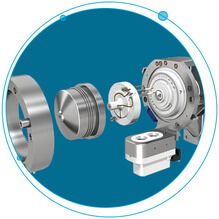
The Latest and Greatest for Improving Lipidomic Analysis by Mass Spectrometry
Differential Mobility Separation (DMS) resolves multiple lipid classes within complex lipid matrices prior to MS analysis to enable more confident identification of lipid species and more accurate quantitation by MS/MS. Lipidomics research has progressed rapidly in...
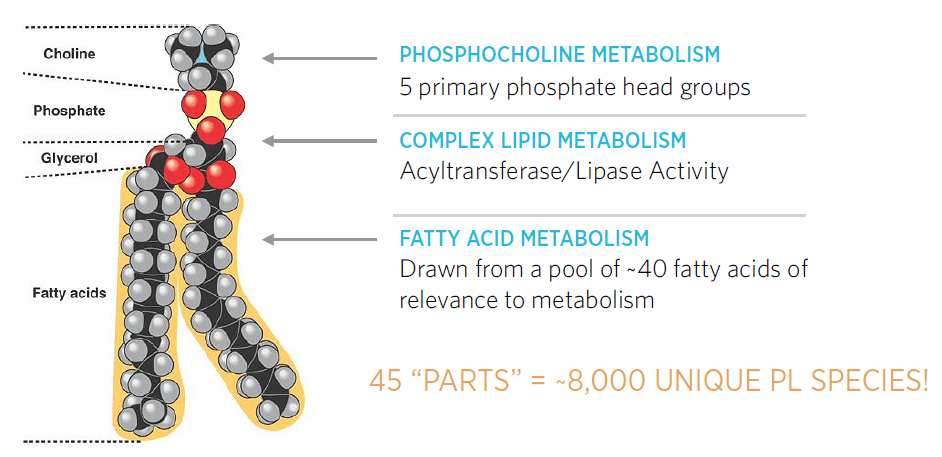
Why Study Lipids?
I had an opportunity to follow up with Steven M Watkins, Ph.D. to talk about the importance of studying lipids in disease. Steve has been working in the lipids field for over 20 years and is one of the foremost experts in lipid biology. Steve founded Lipomics in 2000, an early metabolomics company focused on quantitative lipidomics and had followed that company through a series of changes that led to its involvement in the clinical diagnostic development and global metabolomics. Steve authored over 70 peer-reviewed publications including several book chapters on lipids and lipid metabolism. His presentations on this topic are fascinating and very informative, so I wanted to capture some of his thinking here!
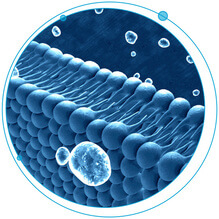
Simplify and Improve the Analysis of Lipid Molecular Species Using SelexION Technology
Analyzing lipids can be tricky. Lipids tend to have a wide variety of chemical structures, and this makes it virtually impossible to find one LC method that can resolve all lipid species. Therefore, multiple LC methods are often used. Also, there is widespread isobaric and isomeric overlap between different lipid classes and species, therefore separating lipid compounds, using an orthogonal separation prior to mass analysis is important.
No Results Found
The page you requested could not be found. Try refining your search, or use the navigation above to locate the post.
No Results Found
The page you requested could not be found. Try refining your search, or use the navigation above to locate the post.