For years, metabolomics researchers have faced a frustrating reality: modern high-resolution mass spectrometers can detect tens of thousands of molecular features, yet only a fraction can be confidently identified. The challenge is no longer finding molecules. It is generating the high-quality MS/MS data needed to confidently assign structures and extract meaningful biological insights.
Tags

3 reasons ZT Scan DIA is changing the game in metabolomics
For years, metabolomics researchers have faced a frustrating reality: modern high-resolution mass spectrometers can detect tens of thousands of molecular features, yet only a fraction can be confidently identified. The challenge is no longer finding molecules. It is generating the high-quality MS/MS data needed to confidently assign structures and extract meaningful biological insights.

Unlocking precision: navigating data conversion in metabolomics
Useful FAQ document to enable researchers to focus on their scientific discoveries and insights rather than the complexities of data management.

How is EAD transforming from a niche technique into a cornerstone of daily metabolomics and lipidomics research?
With the launch of the ZenoTOF 8600 system, EAD has taken a significant leap forward in becoming a routine tool for metabolomics and lipidomics workflows. Building on the foundation laid by the ZenoTOF 7600 system, the 8600 system introduces enhanced sensitivity, function speed improvements, and multimodal capabilities that make EAD more practical and scalable for daily use. This blog explores how these advancements are transforming EAD from a specialized technique into a robust and accessible solution for high-throughput structural analysis, enabling researchers to unlock deeper insights with greater efficiency.
Enhancing omics-based mass spectrometry workflows with Electron-Activated Dissociation (EAD)
Electron-Activated Dissociation (EAD) is transforming the fields of metabolomics and lipidomics by providing enhanced fragmentation techniques that offer deeper insights into molecular structures. In September, Technology Networks hosted a webinar, “Enhancing Mass-Based Omics Analysis in Model Organisms,” featuring Dr. Valentina Calabrese from the Institute of Analytical Sciences at the University of Lyon. Valentina shared her insights on improving omics-based mass spectrometry analysis for toxicology studies using model organisms, particularly in metabolomics and lipidomics. This blog explores the additional functionalities EAD offers, its benefits in untargeted workflows, its incorporation into GNPS and molecular networking, and the future role it could play in these scientific domains.

From exposure to discovery: How SWATH DIA can enhance our understanding of the exposome and its impact on health
Last year, Technology Networks hosted two webinars that featured groundbreaking research utilizing SWATH DIA (data-independent acquisition) for exposomics and metabolomics. Researchers Dr. Vinicius Verri Hernandes from the University of Vienna and Dr. Cristina Balcells from Imperial College London (ICL) demonstrated how a DIA approach can be successfully implemented in small molecule analysis using the ZenoTOF 7600 system. Their innovative approaches highlight the potential of SWATH DIA to enhance the detection and analysis of chemical exposures and metabolites, paving the way for new insights into environmental health and disease mechanisms.

An overview: LC-MS analysis of targeted protein degraders and their metabolites
Targeted protein degraders (TPD) are a relatively new therapeutic modality that opens the potential to target disease-causing proteins. These disease-causing proteins have been highly challenging for traditional small-molecule therapeutics to treat, making TPDs an exciting new therapeutic modality.
The metabolome: the way to personalized healthcare?
Read time: 15 minutes The completion of the human genome project in 2003 opened the door to unprecedented insight into the human body through its DNA code. We now know that our genome encodes our proteins, that our proteins are the molecular machinery of certain...
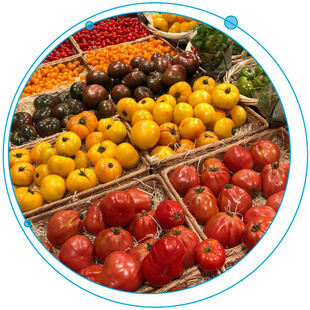
A Multi-Omics Database for Tomato Research and Breeding
Ace. Beefsteak. Big Boy. Kumato. Early Girl. Roma. Sun Gold. San Marzano. These are just a few of the thousands of varieties of tomato plants available today. And while all of these varieties may be very different with respect to crop yield, disease resistance,...
Pathway to Success: Young Metabolomics Researchers Named in The Analytical Scientist’s Power List
The direct correlation of the metabolome to the phenotype means metabolomics is one of the most sought-after approaches for the study of disease and wellness, yet the separation, detection, quantification, and unambiguous identification of a chemically diverse...
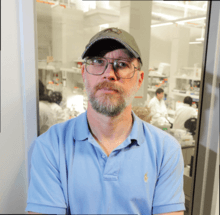
Unraveling the Metabolome
Dr. David Wishart, Departments of Biological Sciences and Computing Science, University of AlbertaCanada’s TMIC is an internationally-recognized leader in metabolomics, providing tools and resources that are used by laboratories around the world. The center offers...
Metabolomics Studies Benefit Biomedical Research
Professor Dr. Thomas Hankemeier, Head of the Division of Systems Biomedicine and Pharmacology, LACDRLACDR is a center of excellence for multidisciplinary research into drug discovery and development, with a strong focus on metabolomics. As part of its research...
Why is Metabolomics Important and How is it Enabling Precision Medicine?
Why is metabolomics important?
Metabolomics is the large-scale study of metabolites in biofluids, tissue extracts, or organisms. Metabolites are small (<1000 Da), biologically active molecules such as glucose, cholesterol, creatinine, hormones, lipids, and more.
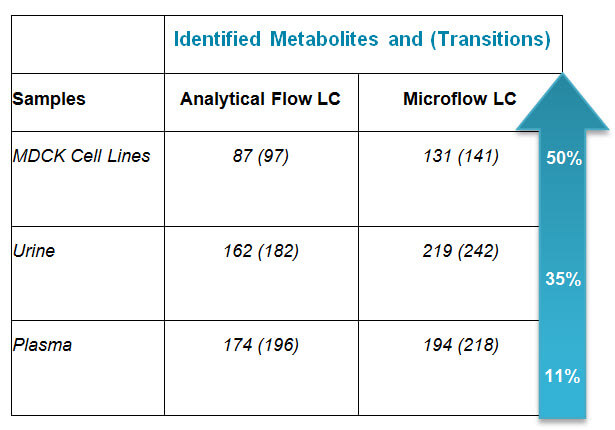
Why Microflow HILIC Chromatography for Targeted Metabolomics Applications?
I recently had the opportunity to catch up with Baljit Ubhi to discuss the top questions you’re asking in regards to using Microflow HILIIC Chromatography for Targeted Metabolomics. Here’s what Bal said:
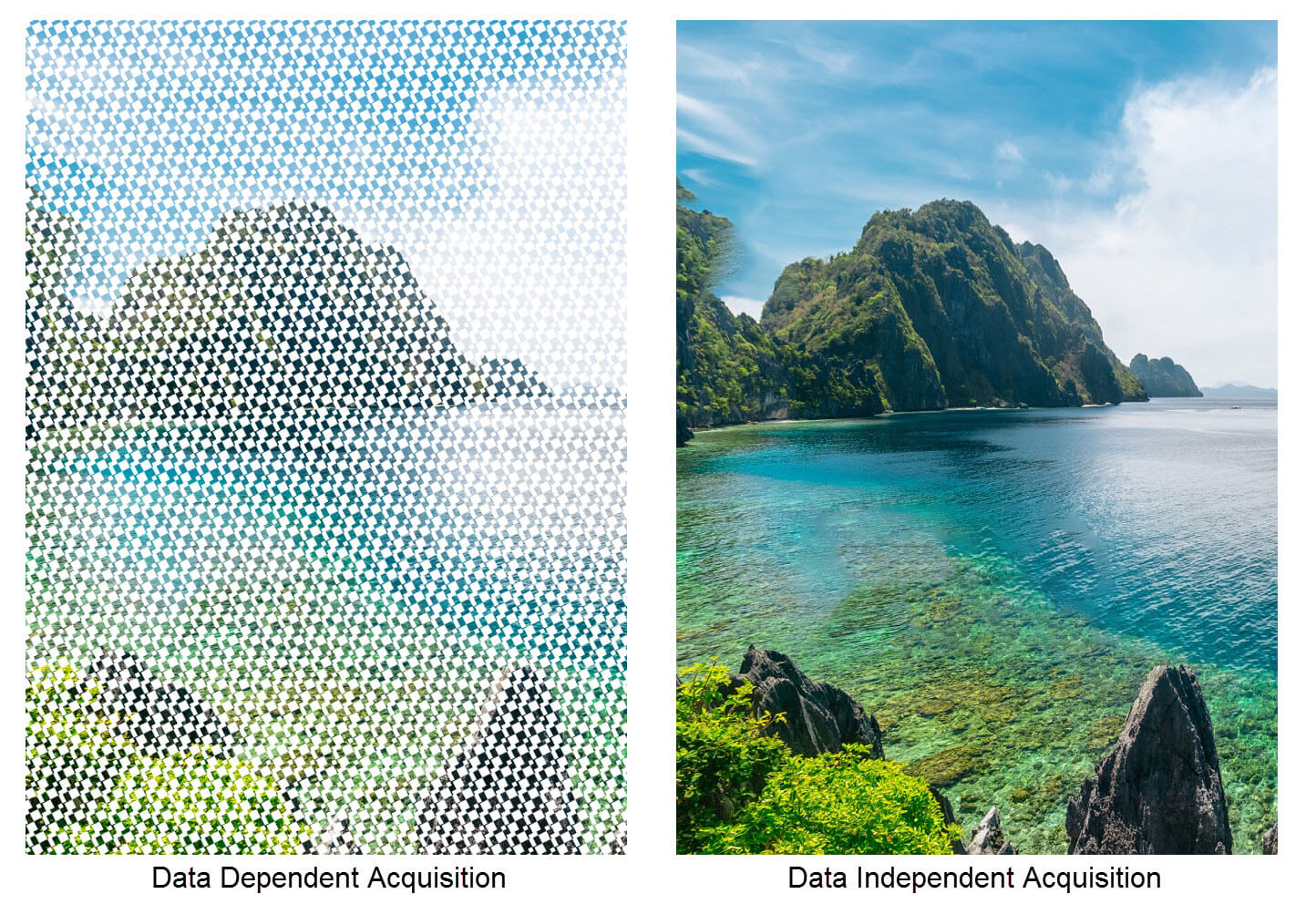
Data Independent Acquisition Mass Spectrometry with the Power of SWATH
There are many different methods in use today to acquire data on a mass spectrometer, but few have generated as much buzz in recent years as SWATH technology. First reported 5 years ago by Ruedi Aebersold and his group1, SWATH® Acquisition on a TripleTOF® instrument has rapidly become one of the premier acquisition strategies for identification and quantitation of complex samples. But what exactly is SWATH and why is it so powerful? In order to answer these questions, let’s first take a step back and look at the larger picture.

Mass Spec Strategies for Plant Metabolomics
The metabolome is the set of all low molecular weight compounds (typically less than ~2000 Da) that are present within an organism, tissue, or cell. Within the mass spectrometry (MS) community, the systematic and comprehensive analysis of the metabolome – i.e., metabolomics – has become an important and increasingly popular area of research. Because the metabolome is dynamic and ever-changing, it provides a snapshot into the state of the organism at the time of measurement. Compounds may appear or disappear, or quantities may change, depending on environmental factors and internal processes. Thus, the metabolome can be thought of as a unique chemical signature providing important information about the health and inner-workings of a biological system at any given moment in time.
Using Mass Spectrometry to Screen Hundreds of Known and Unknown Metabolites
In the field of metabolomics, you typically choose to identify and characterize as many compounds as possible in an unbiased fashion, or screen for a specific set of compounds that are biologically relevant to your research. The beauty of the TripleTOF® System is that...
Using Mass Spectrometry for Down Syndrome Metabolomic Research
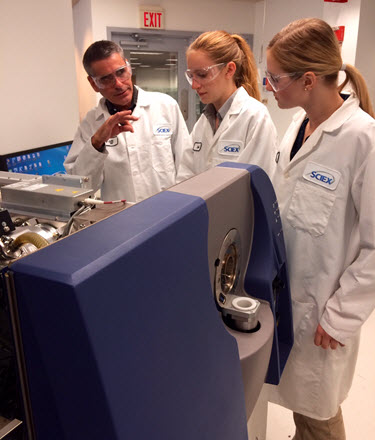
Last week we launched a really interesting research project with Jeff Miller, Senior SCIEX Scientist, using a SCIEX QTRAP® 6500 mass spectrometer. Our plan was to test whether acetaminophen is metabolized differently in people with Down Syndrome (our younger brother William has Down Syndrome).
No Results Found
The page you requested could not be found. Try refining your search, or use the navigation above to locate the post.