Search
Page 49 of 61
Speeding the Development of Quantitative Biosimilar Assays
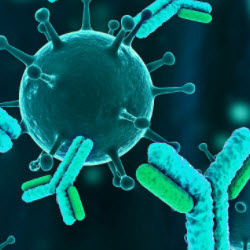
When developing new quantitative assays for Biotherapeutics, every biologic requires a specific sample prep strategy, which includes sourcing reagents and research protocols. However, as every bioanalytical lab knows all too well, it can also take up to two months to develop an optimized and robust LC-MS assay. For this reason, researchers understandably want an easier way to develop highly sensitive and specific assays for biotherapeutics and biosimilars to accelerate sample turnaround time.
Tags: Biopharma, biotherapeutic development, blaze, charge, company, couple, development, job, machine, mass, money, new, number, power, protein, rapid, system, technology, time, variant, work
July 5, 2017
The Benefits of Using SWATH Acquisition Technology when Testing Pesticides in Food
Up until recently, SWATH® Independent Data Acquisition (IDA), was not widely used for the detection of pesticides in food samples. Introduced in 2012, SWATH Acquisition is an advanced acquisition technology capable of running on high-resolution mass spectrometers such as the X500R QTOF system or Triple TOF technology. Originally used in the Omics market to ID and quantify complex samples, SWATH Acquisition is gradually making a transition across markets including the investigation of pesticides in food. Like designer drugs, pesticides continuously undergo synthesizing, and food labs are beginning to require a more reliable analysis method to be confident in their resulting reports.

Tags: biotherapeutic development, blaze, charge, company, couple, development, Food / Beverage, job, machine, mass, money, new, number, power, protein, rapid, system, technology, time, variant, work
June 26, 2017
Single Injection, Routine Antibiotic Testing in Urine Samples
The consumption of pharmaceuticals and personal care products is a day to day occurrence. Once consumed the body excretes the remaining part of the compound which is not absorbed. This waste, flushed down the toilet, makes its way through the sewage system before arriving at a treatment facility where it was then processed with chemicals to ensure its cleanliness. Despite being washed, there can remain trace amounts of bacteria, hormones, metals, and antibiotics in whatever you consume, not just water
Tags: biotherapeutic development, blaze, charge, company, couple, development, Environmental, Food / Beverage, job, machine, mass, money, new, number, power, protein, rapid, system, technology, time, variant, work
June 23, 2017
Do You Want to Accelerate Quantitative Assays for Antibody Drug Conjugates?
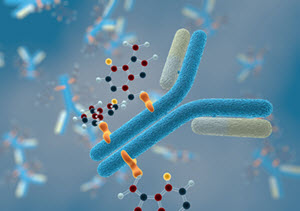
Are you tasked with the bioanalysis of antibody drug conjugates (ADCs)? If so, you know they represent a rapidly growing class of biotherapeutics, but their unique chemical structure makes quantitative analysis particularly challenging.
Tags: Biopharma, biotherapeutic development, blaze, charge, company, couple, development, job, machine, mass, money, new, number, Pharma, power, protein, rapid, system, technology, time, variant, work
Food Allergies – How Allergic Are You?
A recent study published by the Annals of Allergy, Asthma, and Immunology (ACAAI), pointed out, in a study of 109 people tested, that skin prick tests are not 100 percent reliable. In the study, participants were subjected to oral food challenges prior to skin testing in which 50 percent of individuals had no reaction. It was also discovered that blood tests were not full-proof even though they measure the presence of IgE antibodies to specific foods. These results are not surprising given that 50 to 60 percent of tests result in false-positives.

Tags: biotherapeutic development, blaze, charge, company, couple, development, Food / Beverage, job, machine, mass, money, new, number, power, protein, rapid, system, technology, time, variant, work
June 21, 2017
Comprehensive Therapeutic Protein Characterization Using One Single Method
Get to know how CESI-MS will allow you to quickly and accurately characterize protein therapeutics for attributes in a single method by downloading this discovery kit.
Tags: Biopharma, biotherapeutic development, blaze, charge, company, couple, development, job, machine, mass, money, new, number, power, protein, rapid, system, technology, time, variant, work
June 19, 2017
A Fresh Approach to Food Safety
The EU Reference Laboratory (EURL) for Fruits and Vegetables in Almería is responsible for a network of around 200 laboratories which provide essential surveillance and monitoring to ensure the safety of foodstuffs available across Europe. The EURL provides proficiency testing and method development for these official laboratories, ensuring rigorous screening to avoid harmful chemicals entering the food chain
Tags: biotherapeutic development, blaze, charge, company, couple, development, Food / Beverage, job, machine, mass, money, new, number, power, protein, rapid, system, technology, time, variant, work
June 12, 2017
The Only Solution You Need for Fast MetID
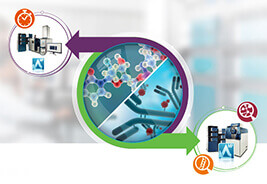
If you work in the breakneck world of therapeutic development, then you probably don’t even have time to read this blog (but we thought we would write it anyways, just in case). Drug metabolism samples are coming into your lab fast and furious. You need to turn them around in hours so that chemists and biologists can optimize the effectiveness of the therapeutic candidate. Time for lunch? We don’t think so!
Tags: biotherapeutic development, blaze, charge, company, couple, development, job, machine, mass, money, new, number, Pharma, power, protein, rapid, system, technology, time, variant, work
June 5, 2017
How Easy Is It to Relocate a Mass Spectrometer?
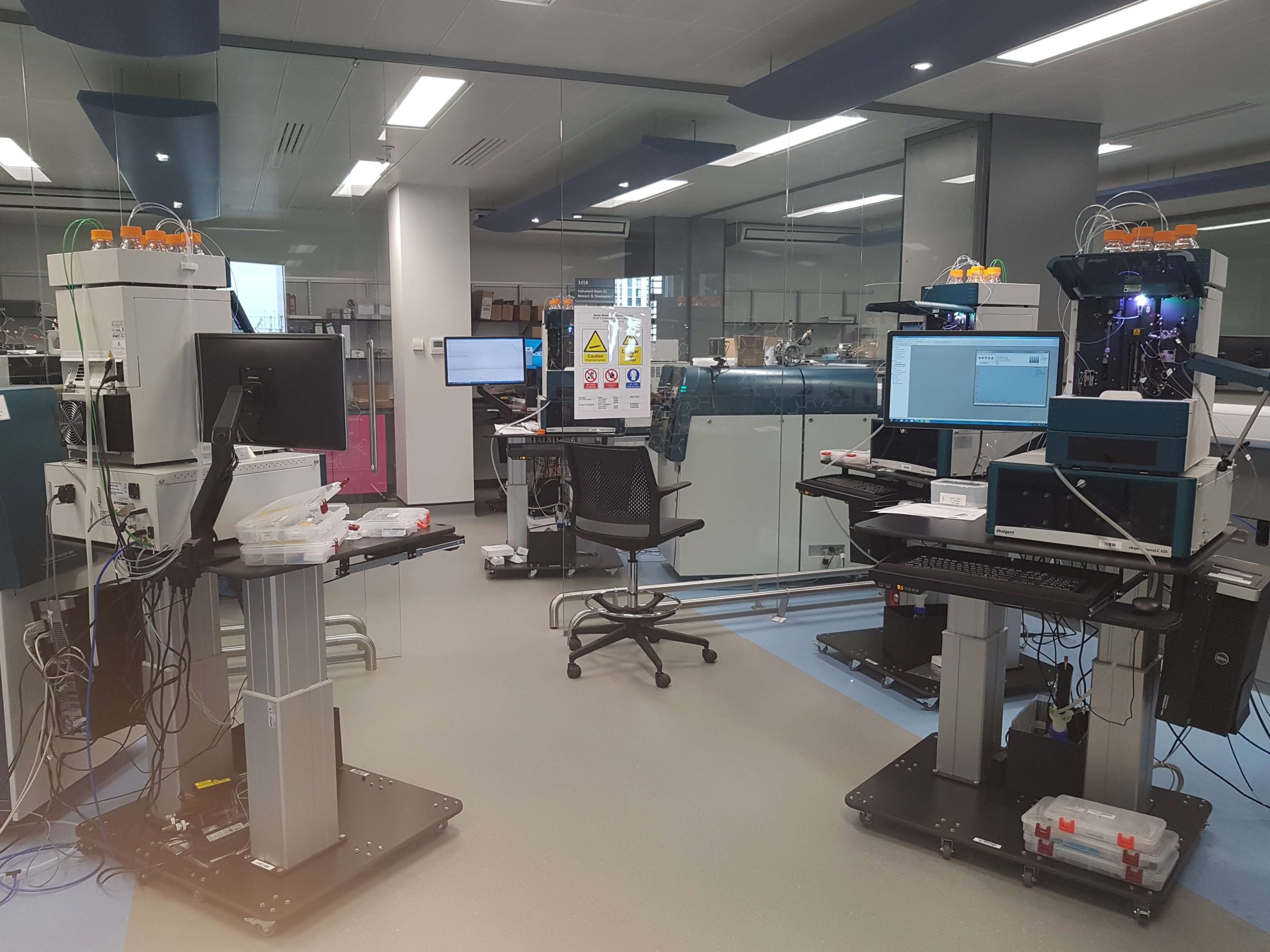
When you’re in the process of moving your lab, across the corridor or to another country, there’s a lot to think about. Adding to the stress, there’s not always a lot of time to plan, or budget allocated for the process, especially in the case of unexpected urgent maintenance work.
Tags: application, company, computer, different, form, guide, information, ion, job, machine, mass, method, option, research, science, sensitivity, system, time, triple, work
June 1, 2017
The Key to Measuring Chemical Dyes in Food is LC-MS/MS
Adding colorful dyes to food is nothing new. In the early 19th century, for example, it wasn’t uncommon for manufacturers to add chalk to white bread, thicken milk with a lead compound, and inject red dye into meat in the quest for a fresher appearance1. Fast forward to the 21st century, however, and along with mass spectrometry, food standards have come a long way. Foods now must pass muster according to standards set by government regulators or else risk fines and punishment which can be costly for the manufacturer. To support these measures, are agencies such as the US-FDA, EFSA, and others which have banned some colors due to their toxic and carcinogenic nature which brings me to mass spectrometry analysis. Discover more when you read the following application note, “LC-MS/MS Analysis of Emerging Food Contaminants,” in which researchers used the ExionLC AD with a Phenomenex Column for sample separation followed by MS/MS detection with the SCIEX X500R QTOF system.

Tags: biotherapeutic development, blaze, charge, company, couple, development, Food / Beverage, job, machine, mass, money, new, number, power, protein, rapid, system, technology, time, variant, work
May 31, 2017
Page 49 of 61